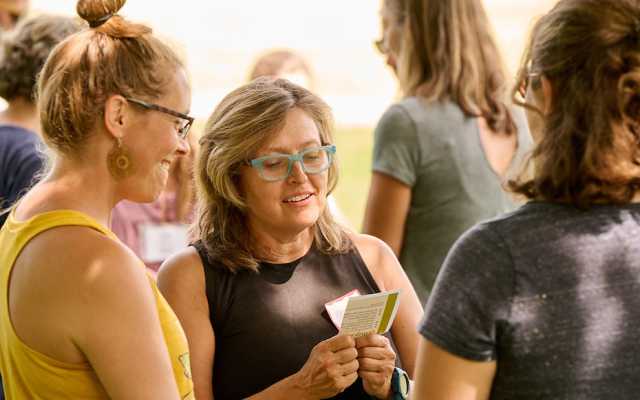
Educator Muriel Stallworth on Being a "Possibil-ist"

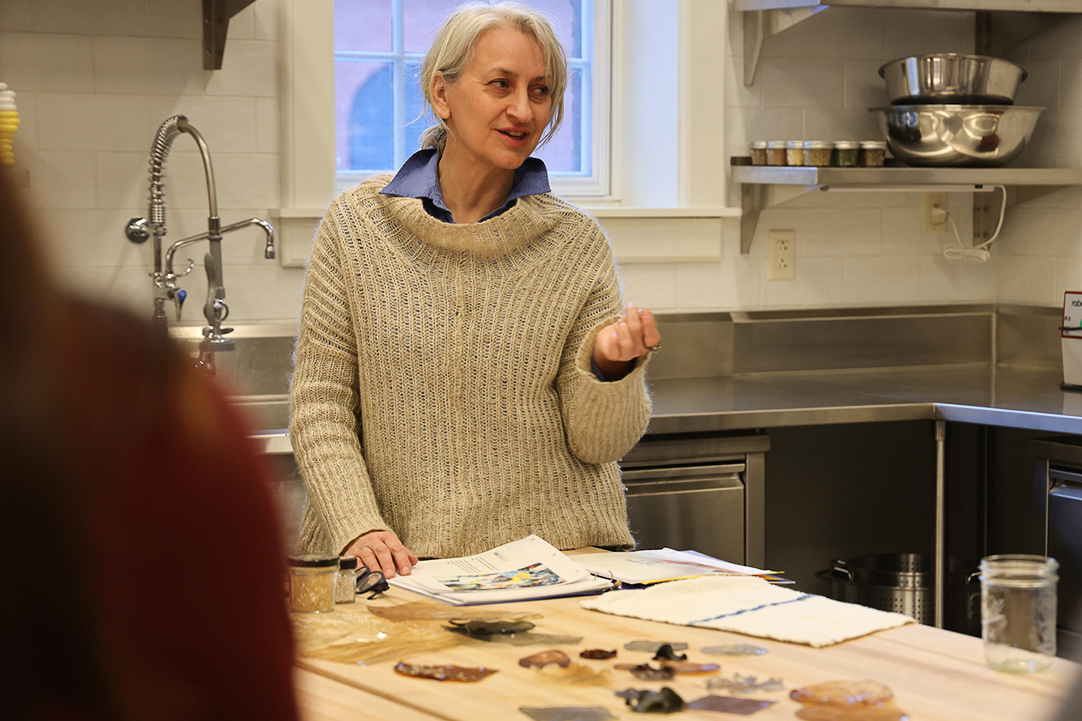
Educator and climate artist Muriel Stallworth is more than an optimist. “I prefer the term ‘possibil-ist,’” she says. “In my work, I’m constantly asking, how can I spread hope?”
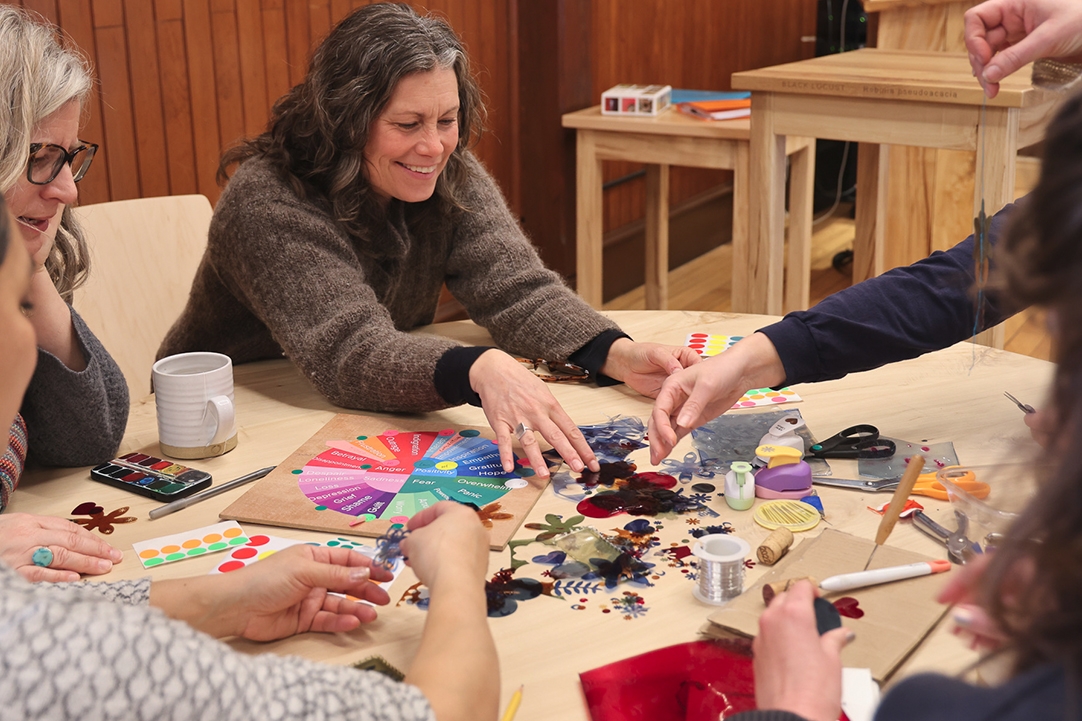
Stallworth, who is an alumna of our Climate Resiliency Fellowship, recently returned to Shelburne Farms as a visiting artist, sharing her perspective on climate change education and thought-provoking art-making practices with fellow educators in the Climate Creative program. Over the course of two days, Stallworth and Shelburne Farms facilitators led the group to consider climate change through art. Teachers learned techniques, tools, and practices they’ll bring to their students around the northeast.
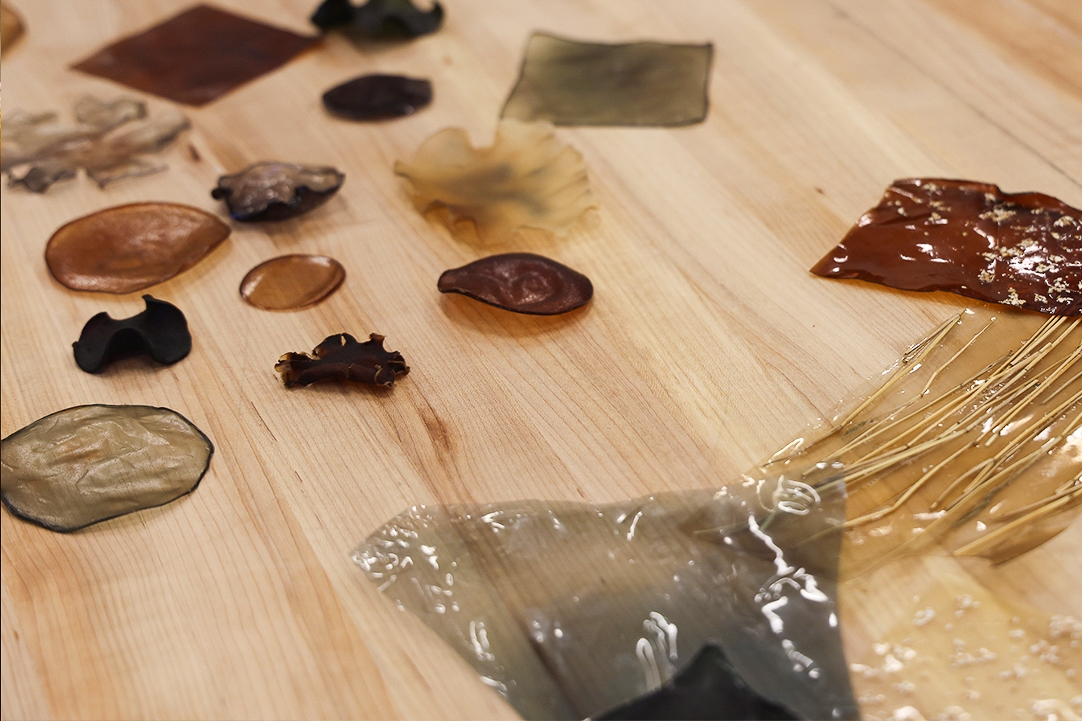
One way Stallworth shared her “possibil-ist” approach with the group: by cooking up a batch of bioplastic. What’s bioplastic? Heat up water, glycerin, and agar powder, pour it onto a baking sheet and let cool, and you’ll have a plastic-like flexible, durable, and entirely biodegradable sheet. Someday, this type of material could replace the ubiquitous single-use plastic packaging that’s energy-intensive to produce and largely landfill-bound.
-
 Andrea Estey
SLIDESHOW: Samples of bioplastics featuring various natural materials including grasses, crushed eggshells, and butterfly pea flower powder.
-
 Andrea Estey
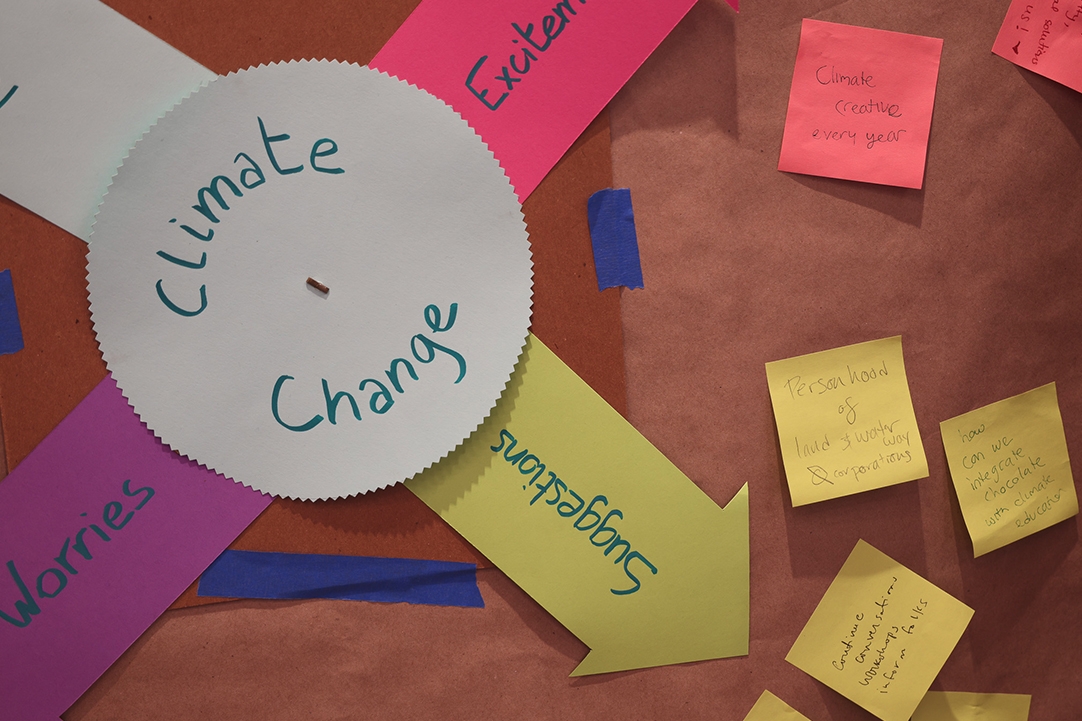
Stallworth led Climate Creative participants in a Climate Cafe discussion.
-
 Andrea Estey
Educators made small works of art with bioplastics.


There’s widespread awareness of challenges like plastic pollution, but Stallworth says she’s surprised how little most people know about solutions, both to plastics and to climate change more generally. She’s on a mission to change that, starting in her own school. As the sustainability coordinator at the International School of Brooklyn in New York, Stallworth builds climate resiliency, helping teachers and students envision a more sustainable future.
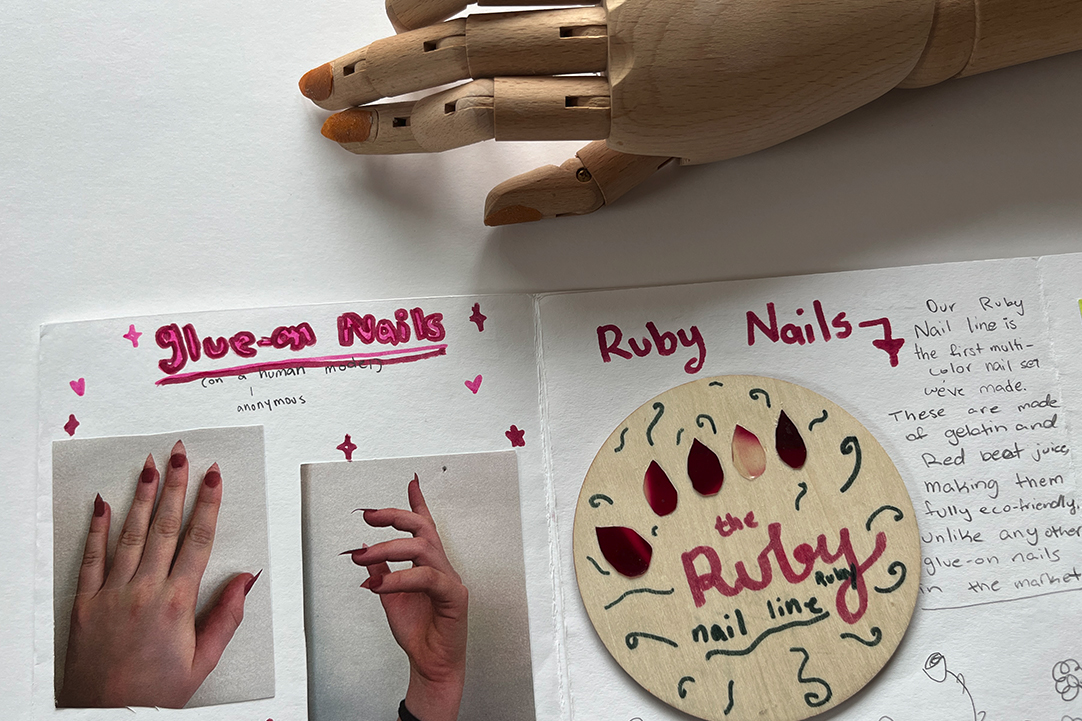
In her elective course “The Futurist,” students are challenged to reimagine everyday plastic items—think artificial fingernails or single-use plastic water bottles—with bioplastic. “The goal is not for students to create things that are commercially viable,” Stallworth explains. “The goal is for them to imagine what’s possible. In today's world, children need to be able to project themselves in a future they want to live in.” Bioplastic, she says, symbolizes the plethora of climate solutions that exist, or are waiting to be discovered.
“I’m thrilled to learn about bioplastics, both the tangible process of creating them and Muriel’s positive philosophy about why: to show our children there are alternatives,” said one Climate Creative teacher. “Although people will continue to use plastics, we can work on alternatives, and scientists are already finding solutions. My heart is full from this program.”
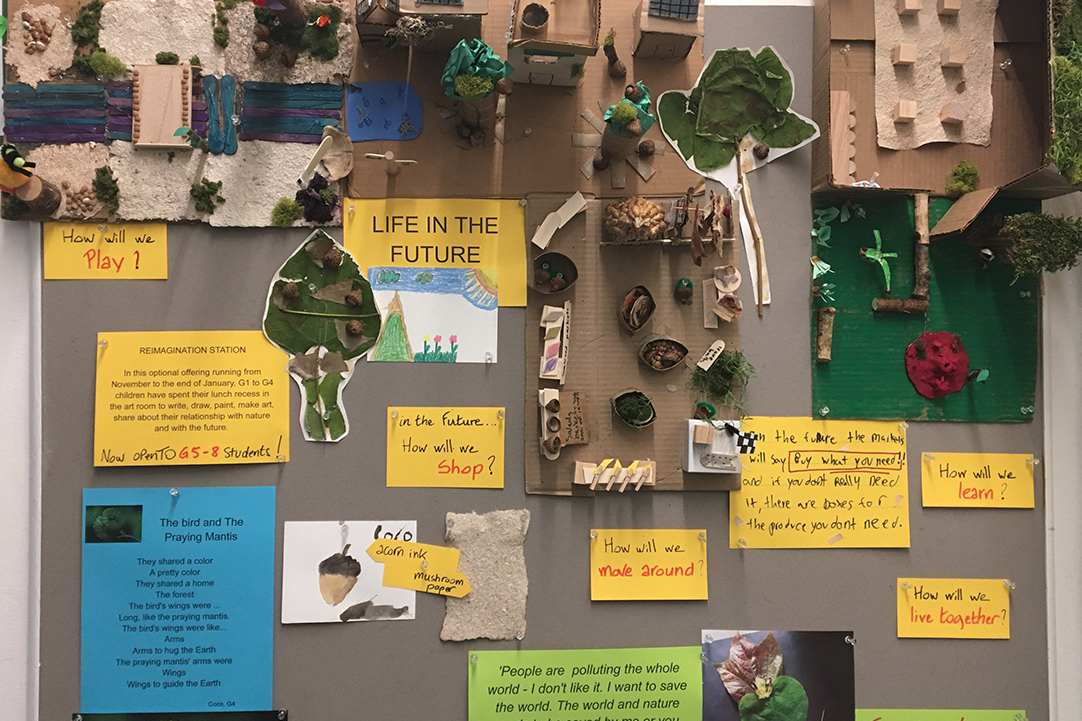
Tending to the emotional impact of thinking and learning about climate change is crucial, says Stallworth. Research shows the majority of children and young people across the globe are worried about climate change; nearly half say their feelings about climate change negatively affect their daily life. For an entire year’s worth of lunch periods, Stallworth opened her art classroom to learn more about children’s climate anxiety while making nature-based art. “In that space, I let the conversation be open for students to talk about their relationship with nature. Eventually I’d ask kids how they’d envision themselves as adults in nature. I kept hearing things like, ‘When I grow up there won’t be any birds,’ or, ‘There will be so much plastic in the ocean that we won’t be able to swim.’” Stallworth worked with her students to channel these feelings into art—visual works as well as poems, dances, and songs. “At the end of the year, we came together to design a city of the future, to imagine how we live, how we play, how we shop. I wanted to help them see, there are actually a lot of exciting things in the future, and there is hope.”
Recommended Resources
If you're curious to engage with the tools and activities Muriel describes, here are a few of her recommendations.